
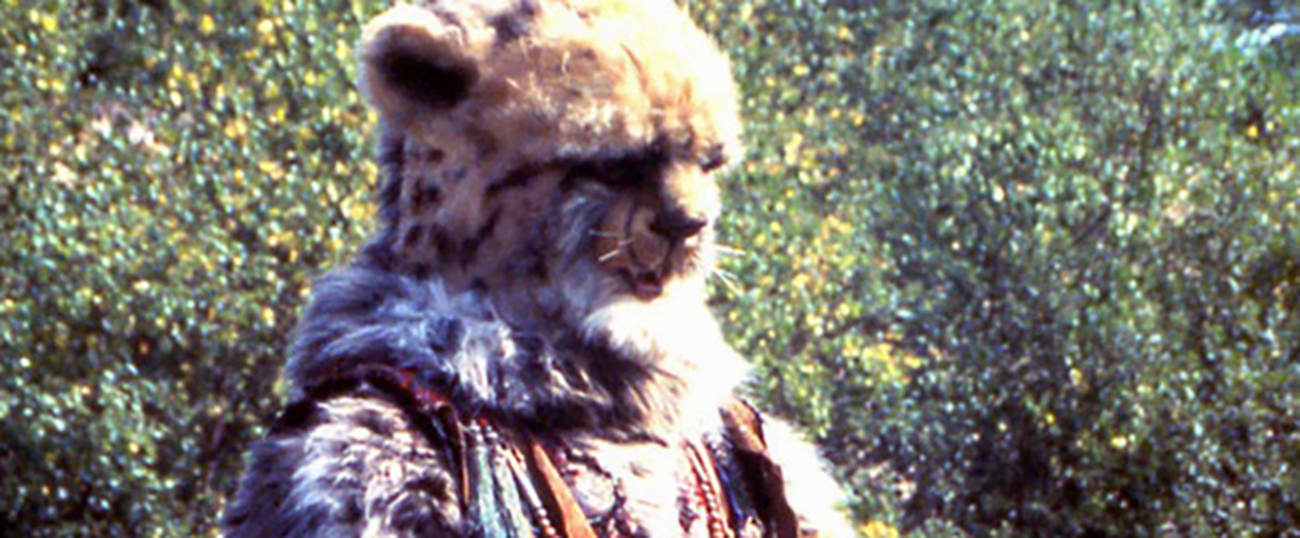
The one where Ace goes home, gets peer-pressured into joining a murder cat gang, and the Master finally finds his true aesthetic: feral cosplay.
Short Synopsis
The Doctor takes Ace back to her old stomping grounds in Perivale, only to discover her friends are vanishing into thin air. Turns out they’re being whisked away to a hostile alien planet ruled by carnivorous cheetah people — and the Master, who’s halfway through turning into one of them. The Doctor and Ace fight to escape as the planet literally eats itself alive, ending with the Doctor choosing morality over murder in what became the series’ accidental farewell.
Extended Storyline
It begins in the most exotic, alien place the Doctor can take Ace: Perivale. That’s right — grim little suburb, grey skies, and the kind of streets where cats outnumber humans ten to one. Ace is less than thrilled, but the Doctor insists, because nothing screams “adventure” like revisiting your teenage trauma.
Ace finds that most of her old mates are missing. One moment they’re loitering on street corners; the next, gone. Naturally, she assumes they’ve run off somewhere boring like Birmingham. Nope. They’ve been teleported to a distant planet populated by Cheetah People — humanoid murder-cats in bad latex who prowl around on horseback. Imagine Thundercats, but if the budget was £3.50 and a few tins of body paint.
Also on the planet? The Master. Of course. Because if there’s an evil interdimensional vortex, you can bet he’s already there, laughing maniacally. But this time he’s got a new problem: he’s been infected by the Cheetah Planet. His eyes glow, he hisses a lot, and he’s developing a disturbing fondness for raw meat. Yes, the Master is slowly turning into an actual cat, which might finally explain his fashion choices over the years.
The Doctor and Ace get dragged along to this doomed world. The catch? The longer you stay, the more it changes you. The planet feeds on violence and rage. If you fight, you turn. If you kill, you become the very thing you hate. For Ace, this is extra awkward, because she starts enjoying the hunt. She bonds with one of her missing friends, Karra, who has gone full feral panther-girl. Ace discovers a part of herself that’s raw, wild, and terrifying — and she kind of likes it. Character development, but with claws.
Meanwhile, the Master wants to escape the planet before he ends up coughing up furballs permanently. He manipulates Ace’s friends, stirs up fights, and uses the Doctor as his personal sparring partner. But there’s no easy way off, except by giving in to the planet’s pull. Which means lots of tense moments where the Doctor has to stop Ace from going full jungle cat every time someone annoys her.
Eventually, the planet itself begins to collapse. It’s a kind of cosmic self-destruct: the more its inhabitants fight, the more it tears itself apart. Cue flaming skies, exploding rocks, and lots of running through quarries pretending it’s an alien apocalypse. The Master drags the Doctor into a final showdown. It looks like this is it — two old enemies locked in a battle to the death, claws out. But the Doctor refuses to kill him. He breaks the cycle, choosing compassion over murder. This is the moral high ground in action: win by not playing.
The Doctor and Ace are flung back to Perivale, the planet imploding behind them. The Master, naturally, vanishes in the chaos because the BBC will always leave him an escape hatch.
And then… silence. The last shot is the Doctor and Ace walking away, hand in hand, across a grassy field. The Doctor muses about tea, adventures, and the great unknown. It wasn’t written as the final line of the show, but fate turned it into the perfect epitaph for 26 years of Saturday tea-time weirdness:
“There are worlds out there where the sky is burning, and the sea’s asleep, and the rivers dream. People made of smoke, and cities made of song. Somewhere, there’s danger, somewhere there’s injustice, and somewhere else the tea’s getting cold. Come on, Ace — we’ve got work to do!”
Roll credits. Cue 16 years of reruns, Big Finish, and fans insisting “it’ll be back one day.”