
The one where the Doctor regenerates off-screen, Mel screams at everything, and the Rani builds a giant brain because apparently filing cabinets just weren’t ambitious enough.
Short Synopsis
The freshly regenerated Seventh Doctor and Mel land on Lakertya, where the Rani is enslaving the locals and building a mega-brain powered by kidnapped geniuses. Expect pratfalls, pastel aliens, and more bubble traps than a 1980s toy commercial.
Extended Storyline
Colin Baker is out, Sylvester McCoy is in, and the BBC couldn’t even be bothered to film a proper regeneration. Instead, we open with the TARDIS under attack, Mel unconscious, and the Sixth Doctor already face-planted on the floor. Cue a regeneration effect that looks like someone sneezed glitter on a wig — and suddenly, Sylvester McCoy (wearing Colin Baker’s technicolor nightmare coat) is the new Doctor. Smooth.
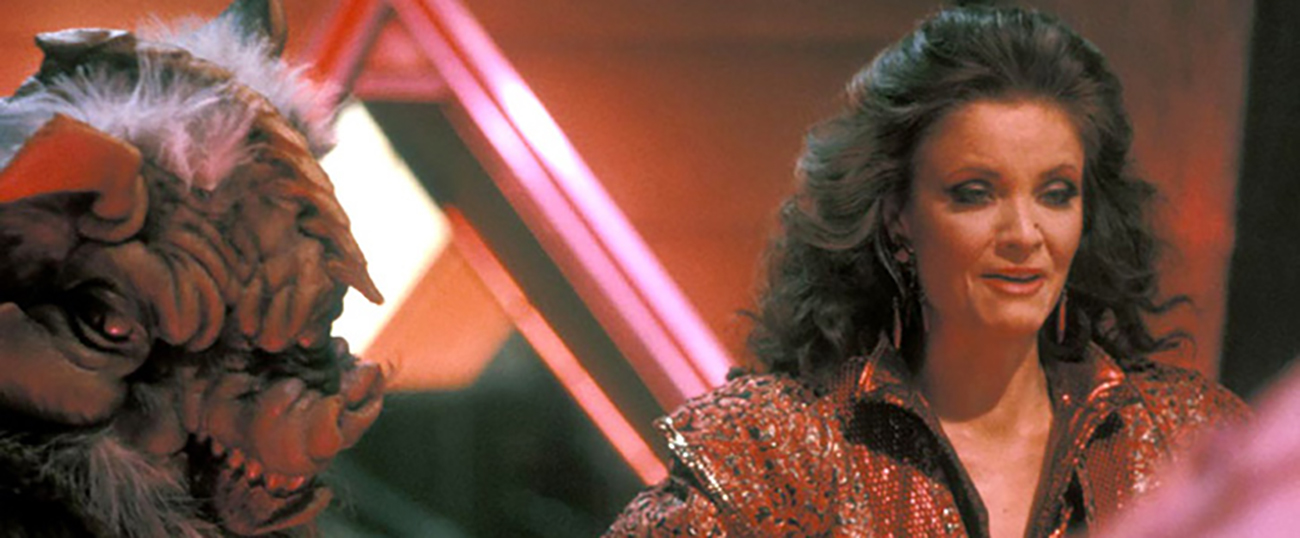
The Doctor and Mel are dragged into the schemes of the Rani, Kate O’Mara’s mad scientist Time Lady with the fashion sense of a glam-rock lizard. She’s enslaved the gentle Lakertyans, a race of pastel-sporting aliens who spend most of the story looking like they’re auditioning for a bad aerobics video. Her plan? Construct a giant computer brain to solve universal problems — powered by the mental energy of kidnapped geniuses like Einstein, Pasteur, and, naturally, the Doctor.
The Rani, proving she’s both brilliant and petty, disguises herself as Mel in order to trick the confused post-regeneration Doctor into helping her. This results in some unintentionally hilarious scenes where Kate O’Mara puts on an over-the-top “Mel” voice and hops around like a hyperactive cheerleader. (It’s not good acting — it’s perfect camp.)
The Doctor, meanwhile, stumbles around trying to work out who he is now. Early Seventh Doctor characterization mostly involves clowning: pratfalls, malapropisms, and a sort of whimsical absentmindedness that makes you wonder if regeneration rewired his brain with custard. Mel spends most of her screentime screaming at anything vaguely threatening — bubble traps, bat monsters, the script.
Speaking of monsters, the Rani has enlisted the Tetraps: lumbering bat-thing henchmen with four eyes that make them look like rejected Muppet villains. They’re loyal, brutish, and exactly the sort of creatures you hire when you want muscle but don’t care about workplace safety.
As the Rani’s plot unfolds, it becomes clear she’s planning to harness the mega-brain to manipulate an asteroid’s trajectory, essentially rewriting evolution across the universe. Because why just study science when you can break all of it at once?
The Doctor eventually cottons on to her deception (despite apparently not noticing that “Mel” suddenly developed a different accent and a personality transplant). With the help of the Lakertyans, he sabotages the brain, frees the geniuses, and turns the Tetraps against their boss. The Rani, predictably, screeches her way into defeat but survives, dragged off by her own hench-creatures to who-knows-where.
In the end, the Doctor and Mel hop back into the TARDIS, leaving the Lakertyans to rebuild their vaguely pastel civilization. The Seventh Doctor, still finding his feet, stumbles into the future with a twinkle in his eye, a battered question-mark umbrella, and the promise of much weirder things to come.