
The Doctor and Romana wander Paris, sip coffee, flirt with art history, and save humanity from an alien who’s been hanging around since the dawn of time. Also, multiple Mona Lisas. Because why stop at one?
Short Synopsis
In Paris, 1979, the Doctor and Romana uncover Count Scarlioni’s scheme to finance time experiments by selling several “original” Mona Lisas to the highest bidder. Turns out he’s actually Scaroth, the last of an alien race scattered across time. If his fragments reunite, humanity’s history might get un-written. Cue witty repartee, running through the Louvre, and the best Fourth Doctor one-liners in existence.
Extended Storyline
The Doctor and Romana decide to take a break from all that running and near-death by relaxing in Paris. Of course, “relaxing” for the Doctor means enthusiastically running around art galleries, irritating café staff, and lecturing Romana about history until she looks like she’d rather be anywhere else. Their holiday is quickly interrupted when the Doctor senses “time disturbances” — which, given that he’s in a city full of tourists, could just as easily have been jet lag.
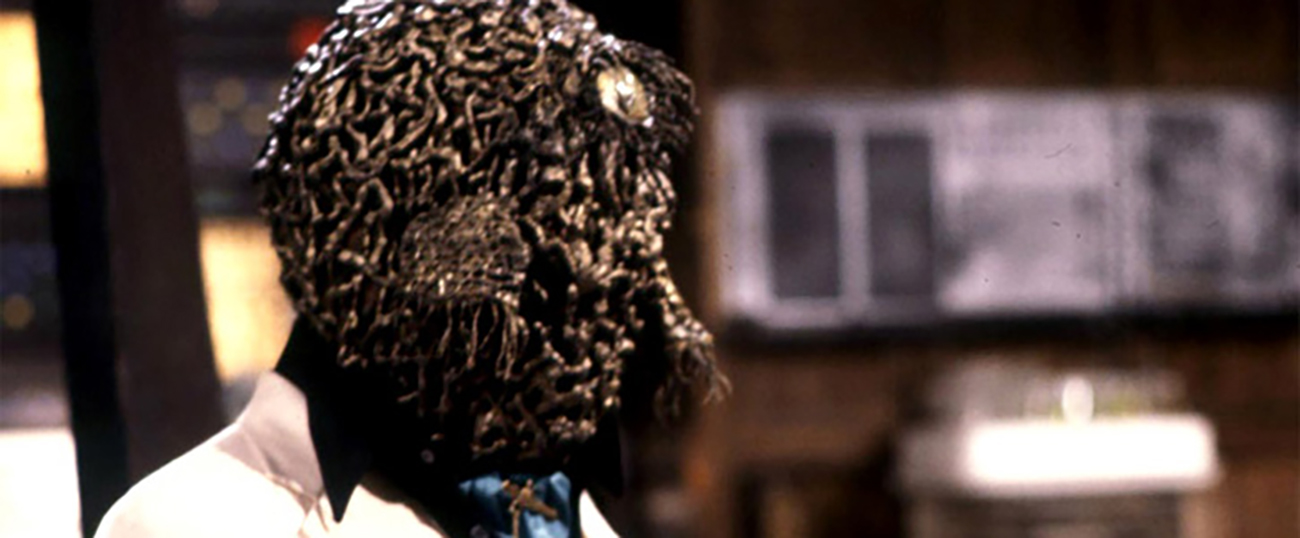
Enter Count Scarlioni: suave, rich, married to a glamorous countess, and the kind of man who could make wearing a cravat look menacing. Behind the polite exterior, though, he’s really Scaroth — the last survivor of the Jagaroth, an alien race who exploded in a spaceship accident four hundred million years ago. The explosion scattered him across time like glitter at a craft fair, meaning there are dozens of Scarlioni fragments nudging human history along in various eras. You know, just for fun.
His current goal: build a time machine so he can go back and stop the accident that destroyed his species. Minor snag: if Scaroth succeeds, humanity never evolves. (The Doctor points this out with a horrified mix of science lecture and “I told you so” energy.)
To fund his tinkering, Scarlioni hatches the most delightfully audacious scheme in history: have Leonardo da Vinci paint seven Mona Lisas, stash them in a cellar for centuries, then sell them all at once in the 20th century as “genuine originals.” It’s art forgery on a cosmic scale — and it only works because, apparently, nobody ever thought to x-ray the Louvre’s version.
The Doctor gets involved, naturally, and the tone immediately shifts into Douglas Adams territory. He’s all quips and theatrical flourishes: bargaining with café waiters, breaking into the Louvre with the confidence of a man who thinks museum alarms are for other people, and generally irritating Scarlioni at every opportunity. Romana keeps pace with sharp wit of her own, often out-smarting the Doctor and rolling her eyes when he gets too pleased with himself.
Scarlioni’s experiments attract attention from Duggan, a private detective with the subtlety of a brick through a window. In fact, Duggan’s entire skillset is punching people, smashing things, and generally solving problems by violence. The Doctor finds this equal parts horrifying and hilarious, though Duggan does prove indispensable — particularly when a well-aimed punch saves the entire human race. (Yes, this is canon: humanity owes its existence to one man’s right hook.)
The climax involves time-jumping to Leonardo’s studio, Scarlioni’s true nature revealed in all his green, rubber-masked glory, and a final punch that literally prevents history from being rewritten. The Mona Lisas remain mysterious, Paris remains intact, and the Doctor celebrates with more witty one-liners and a bottle of wine.